



Is a Pontoon or Wake Boat Rental Best for Lake Tahoe?
Planning a trip to the Sierra Nevada mountain range often starts with one question: how do you get out onto the water? Choosing between a spacious multi-hull deck boat and a high-performance towboat determines your entire experience on the lake. A Pontoon Rental in Lake Tahoe gives large groups stable decks, lounge seating, and comfortable cruising platforms. On the other side, opting for a Wake Boat Rental unlocks modern wakeboarding and wakesurfing through high-torque inboard engines and specialized electronic water ballast systems. Choosing the right vessel depends on group size, desired water sports, and weather conditions across the basin.
Table of Contents
ToggleWhy Do Hull Designs Matter at Alpine Elevations?
Operating motor vessels at an elevation of 6,223 feet above sea level introduces unique physical factors that impact speed, fuel efficiency, and stability. Lake Tahoe covers 191 square miles of alpine water, surrounded by mountain peaks that channel shifting winds. Standard V-hull motorboats slice through chop, but they can roll when anchored in busy coves or exposed to side swells.
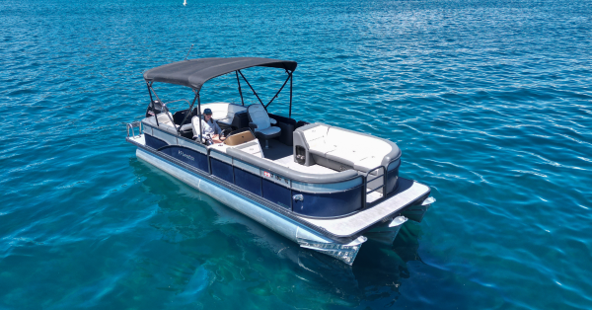
Tritoon pontoons feature three aluminum hull logs with integrated lifting strakes. This design spreads vessel weight across a wider surface area, providing unmatched lateral stability while reducing drag. When afternoon thermal winds generate surface chop across open water, a triple-hull deck cuts smoothly through waves without tipping or spraying water over the bow railings.
What Makes Modern Pontoon Boats Ideal for Group Comfort?
When traveling with up to 13 passengers, internal cabin room and deck layout become top priorities. Modern pontoon rentals eliminate the cramped seating arrangements typical of smaller bowriders. Full deck platforms allow guests to move around freely, set up picnic lunches, and access water gear without stepping over each other.
- Broad Flat Decks: Open layouts maximize usable floor space, accommodating large coolers, gear bags, and lounge chairs.
- Dual Bimini Tops: Overhead canvas structures provide complete shade coverage across the front and rear deck sections.
- Stable Swimming Platforms: Extended stern decks paired with heavy-duty aluminum ladders make entering and exiting the water safe for all ages.
- High-Torque Outboard Power: Modern four-stroke outboard engines deliver quiet cruising speeds while generating enough pull for towable inflatable tubes.
If you want to explore available deck layouts for your upcoming family trip, visit us to browse our current fleet. Anchoring a pontoon in quiet North Shore coves like Speedboat Beach allows your group to relax on plush marine vinyl while swimming in clear turquoise water.
How Do Wake Boats Engineer Perfect Wakesurfing Waves?
Wakesurfing requires a specialized wave shape that standard stern-drive bowriders cannot safely or technically produce. Dedicated wake boats place the engine and propeller deep underneath the center or rear of the hull, known as an inboard V-drive system. This keeps the rotating propeller far away from riders surfing feet behind the swim platform.
To craft a pushy, surfable wave face, wake boats utilize integrated water ballast systems. Internal tanks and flexible bladders fill with up to 4,000 pounds of lake water at the touch of a button. This added weight sinks the stern deep into the lake floor. Meanwhile, computer-controlled surf tabs deploy from the transom sides, directing water flow to shape a clean, curling wave on either side of the vessel.
Riders stand on short surfboards without foot straps, holding a tow line until the boat reaches a steady speed of 10 to 11.5 miles per hour. Once the surfer finds the wave’s sweet spot, they toss the rope back onto the deck and surf endlessly on the boat’s displacement wave. You can check out our dedicated Water Sports Equipment Rental Services page to learn more about setting up top-tier wakeboard and surf gear for your outing.
What Safety Rules Apply to Motorized Craft on the Lake?
Navigating alpine waters requires strict adherence to environmental and maritime safety laws enforced by local authorities. The Tahoe Regional Planning Agency enforces a 600-foot no-wake zone along the entire perimeter of the shoreline. Within this 600-foot boundary, all motorized watercraft must maintain speeds of five miles per hour or less, creating zero visible wake.
This regulation protects delicate shoreline ecosystems, prevents beach erosion, and safeguards swimmers, kayakers, and paddleboarders. Once you pass beyond the white navigation buoys marking the 600-foot line, you may accelerate to full cruising speed on open water.
Captains must also monitor high-altitude weather shifts closely. High elevation causes rapid atmospheric temperature changes, which can trigger strong afternoon wind patterns known locally as the Washoe Zephyr. These winds often build surface waves from one to three feet within less than an hour. Monitoring local marine weather forecasts and staying close to protected bays ensures your crew stays safe throughout the afternoon. If you have questions about current lake conditions or navigation rules, visit us to reach our dock managers directly.
Why Partner with North Tahoe Watersports for Your Outing?
Choosing the right vessel supplier determines whether your time on the water is stressful or truly memorable. At North Tahoe Watersports, we maintain a fleet of modern pontoons and specialized wake craft designed specifically for high-altitude operating conditions. Every vessel undergoes daily mechanical inspections, safety checks, and hull cleanings before leaving our docks.
Our dock teams provide comprehensive ground briefings covering engine controls, onboard safety equipment, depth meter electronics, and local navigation maps. Whether you want a relaxed afternoon pontoon cruise with family or an action-packed wake surfing session with friends, we supply the technical equipment and local guidance you need. Read our article on Private Boat Charter Lake Tahoe options to see how a professional captain can elevate your experience even further.
Frequently Asked Questions
What is the primary difference between a pontoon and a wake boat?
Pontoons use flat deck platforms over aluminum logs for maximum seating, stability, and relaxed cruising. Wake boats use deep fiberglass hulls with heavy ballast tanks to sink the stern and create massive displacement waves specifically for wakesurfing and wakeboarding.
Do I need a special license to rent a boat?
Driver requirements depend on state maritime regulations and age limits. Boat drivers must possess a valid driver’s license and complete an safety briefing with our dock staff. Drivers born after specific state cutoff dates may require a boater safety card.
How does high elevation affect engine performance on the lake?
Air density at 6,223 feet contains roughly 20 percent less oxygen than sea-level air. This elevation drop reduces standard engine horsepower output. Our fleet utilizes high-torque marine engines re-propped specifically for mountain waters to ensure swift acceleration and reliable towing power.
Can we tow inflatable tubes behind a pontoon boat?
Yes, high-horsepower tritoons feature triple hull logs and robust outboard engines built for towing inflatable tubes. Our team supplies commercial-grade tow ropes, inflatable tubes, and properly fitted USCG-approved life jackets to ensure a safe, fun tubing experience for your group.
What happens if afternoon weather turns windy during my rental?
Afternoon wind patterns can generate chop across open water quickly. We recommend launching early in the morning when the lake surface is smooth. If high winds occur, our staff provides guidance on navigating protected shoreline routes to keep your crew safe and dry.